The Critical Role of Concrete Inspection in NYC Construction
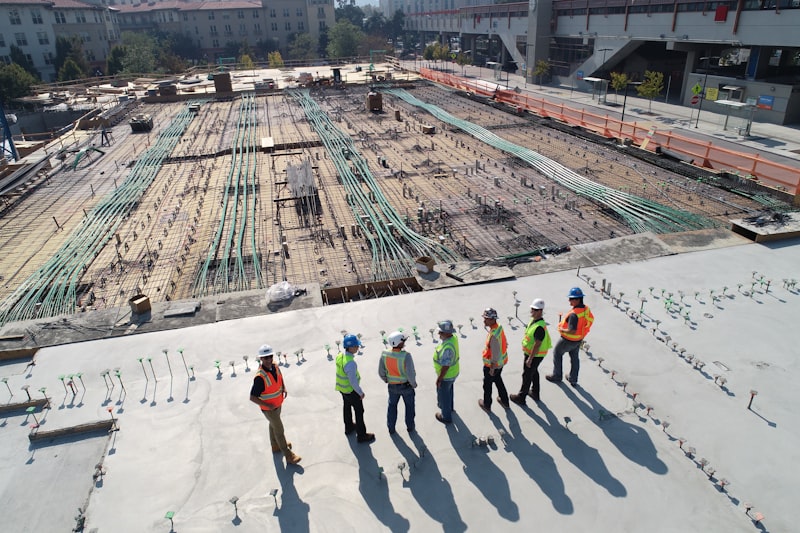
Concrete is the most widely used construction material in New York City. From foundation slabs in Lower Manhattan to elevated decks in residential towers throughout the boroughs, concrete's performance depends entirely on proper material selection, placement, and curing—all verified through special inspection.
The NYC Building Code requires special inspection for concrete construction because the material's strength develops over time and depends on numerous factors that must be controlled during placement. Unlike steel, which arrives at the jobsite with certified properties, concrete's final strength is determined by how it is mixed, placed, consolidated, and cured in the field.
NYC Building Code Concrete Inspection Requirements
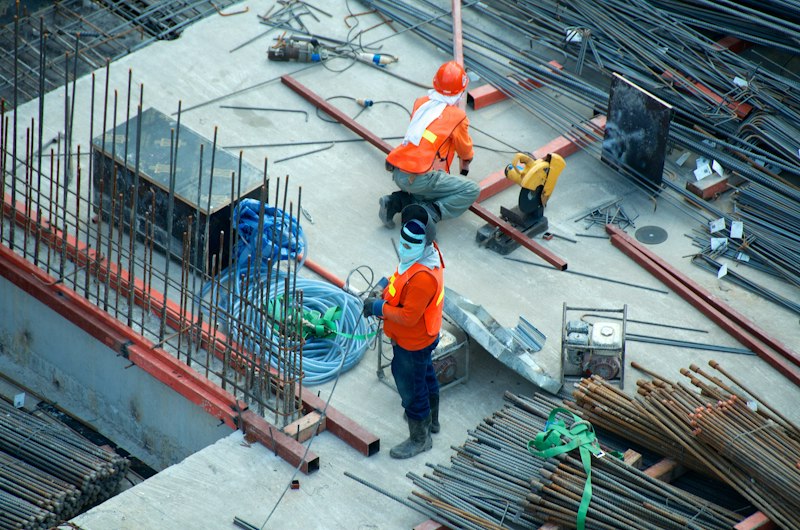
Reinforcing Steel Inspection
Before concrete is placed, the special inspector verifies:
- Bar size and grade: Confirming reinforcement matches structural drawings
- Bar placement and spacing: Measuring bar locations against approved plans
- Cover dimensions: Verifying minimum concrete cover for durability and fire protection
- Splice locations and lap lengths: Confirming compliance with ACI 318 development length requirements
- Mechanical splices and welded splices: Verifying proper installation and testing
- Chairs and supports: Confirming reinforcement will maintain position during concrete placement
Concrete Placement Inspection
During concrete placement, the special inspector monitors:
- Delivery ticket verification: Confirming mix design, batch time, water additions, and admixtures
- Slump testing: Measuring concrete workability per ASTM C143
- Temperature monitoring: Verifying concrete temperature for hot and cold weather conditions
- Placement methods: Ensuring proper consolidation using vibrators
- Drop height: Confirming concrete is not dropped from excessive heights that cause segregation
- Construction joint preparation: Verifying proper surface preparation at cold joints
Concrete Testing Requirements
Field testing of concrete includes:
- Compressive strength testing: Cylinders cast per ASTM C31 and tested per ASTM C39
- Slump tests: ASTM C143 at required frequency
- Air content testing: ASTM C231 for air-entrained concrete
- Temperature measurement: At point of delivery
- Unit weight testing: When specified
Testing frequency is typically one set of cylinders (minimum four) for each 150 cubic yards of concrete or each day's placement, whichever produces more specimens.
Batch Plant Inspection
For larger NYC projects, special inspection may extend to the concrete batch plant:
- Material verification: Confirming cement, aggregate, and admixture materials
- Batching accuracy: Verifying scale calibration and batch weights
- Water-cement ratio control: Monitoring water additions
- Mix design compliance: Confirming the batch matches the approved mix design
Batch plant inspection provides additional quality assurance by verifying concrete properties at the point of production, before delivery to the jobsite.
Post-Tensioning Inspection
For post-tensioned concrete structures, special inspection includes:
- Tendon placement: Verifying profile, spacing, and support
- Stressing operations: Monitoring jack pressure, elongation, and anchor set
- Grouting: Verifying grouting procedures for bonded tendons
- Post-stressing inspections: Confirming proper anchoring and pocket patching
Post-tensioning inspection requires specialized knowledge and experience beyond typical concrete inspection.
Cold Weather and Hot Weather Concrete
NYC's climate creates specific challenges for concrete placement:
Cold Weather (Below 40°F)
- Concrete temperature must be maintained above specified minimum
- Protection from freezing during initial curing period
- Extended curing time may be required
- Heated enclosures and insulated blankets monitoring
Hot Weather (Above 90°F)
- Concrete temperature limits to prevent excessive heat of hydration
- Accelerated slump loss monitoring
- Enhanced curing procedures to prevent moisture loss
- Potential use of ice or liquid nitrogen for temperature control
The special inspector verifies that appropriate cold or hot weather procedures are followed per ACI 306R and ACI 305R respectively.
Common Concrete Deficiencies
Before Placement
- Reinforcement shifted from specified locations
- Insufficient concrete cover
- Missing or improperly located dowels
- Dirty or contaminated reinforcement
- Inadequate formwork support
During Placement
- Excessive water added to concrete at the jobsite
- Inadequate consolidation (honeycombing risk)
- Segregation from improper placement methods
- Delayed placement causing cold joints
- Insufficient protection in extreme weather
After Placement
- Inadequate curing duration or method
- Premature formwork removal
- Early loading before design strength is achieved
- Surface defects requiring evaluation
Frequently Asked Questions
How many concrete cylinder tests are required?
ACI 318 requires a minimum of one set of test specimens for each 150 cubic yards, or for each day of placement if less than 150 cubic yards is placed. Additional testing may be required by the engineer of record.
What constitutes acceptable concrete strength?
Per ACI 318, concrete strength is considered satisfactory if the average of three consecutive tests equals or exceeds the specified compressive strength, and no individual test falls more than 500 psi below the specified strength.
What happens if concrete cylinders fail?
If test cylinders indicate low strength, the engineer of record evaluates the significance. Options include structural analysis of the as-built condition, core testing of the in-place concrete per ASTM C42, or load testing per ACI 318 Chapter 27.