Why Structural Steel Inspection Matters in NYC
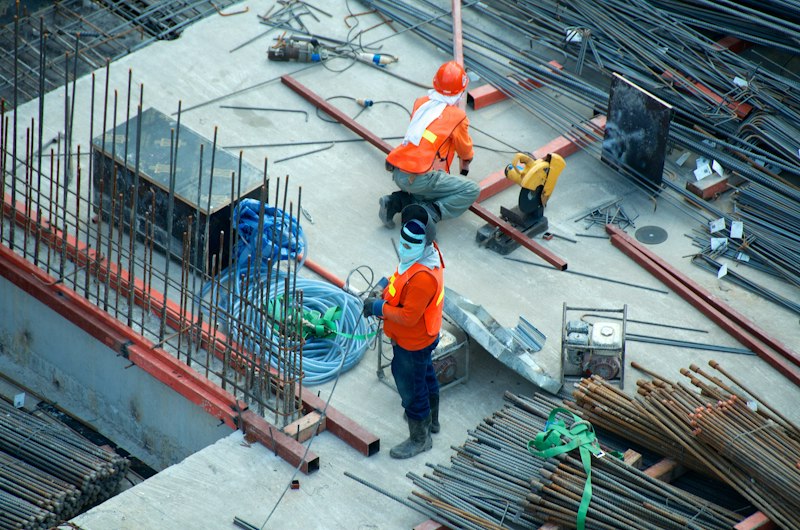
Structural steel is the backbone of New York City's skyline. From the moment a steel column is erected on a Manhattan construction site to the final connection on a Brooklyn mixed-use development, the integrity of every weld, bolt, and connection must be verified through professional special inspection.
The NYC Building Code requires special inspection for structural steel construction because the consequences of deficient work are severe. A failed moment connection can lead to progressive collapse. An improperly tensioned high-strength bolt can result in connection slip under load. These are not theoretical risks—they are the documented reasons why special inspection exists.
NYC Building Code Requirements for Steel Inspection
Welding Inspection
Welding is the most inspection-intensive aspect of steel construction. The NYC Building Code, referencing AWS D1.1 (Structural Welding Code—Steel), requires:
Continuous Inspection for:
- Complete joint penetration (CJP) groove welds in moment connections
- Welding of elements in the lateral force-resisting system
- All welds designated as "demand critical" in seismic applications
Periodic Inspection for:
- Fillet welds and partial joint penetration (PJP) groove welds
- Stud welding for composite construction
- Non-structural welding that affects fire-rated assemblies
High-Strength Bolting
High-strength bolting inspection verifies that bolted connections achieve the required tension or slip-critical performance. Inspection activities include:
- Bolt lot verification: Confirming bolt grade, size, and condition
- Surface preparation: Verifying faying surfaces meet slip coefficient requirements
- Installation method verification: Confirming the tensioning method (turn-of-nut, calibrated wrench, tension-control, or direct-tension indicator)
- Tension verification: Confirming installed bolt tension meets AISC specifications
Material Verification
Before steel is erected, the special inspector verifies:
- Mill certificates match specified material grades
- Heat numbers on delivered steel correspond to mill certificates
- Member sizes and lengths conform to approved shop drawings
- Surface preparation and coatings meet specifications
The Inspector's Qualifications
Structural steel special inspectors in NYC should hold:
- AWS Certified Welding Inspector (CWI) certification for welding inspection
- Relevant experience with structural steel construction
- Knowledge of AWS D1.1, AISC 360, and the NYC Building Code
- Understanding of non-destructive testing (NDT) methods and when they're required
Non-Destructive Testing (NDT) in Steel Inspection
Beyond visual welding inspection, NDT methods provide additional quality verification:
Ultrasonic Testing (UT)
Uses sound waves to detect internal weld defects. Required for CJP groove welds in moment connections and other critical joints.
Magnetic Particle Testing (MT)
Detects surface and near-surface defects in ferromagnetic materials. Commonly used for fillet weld inspection and base metal verification.
Radiographic Testing (RT)
Uses X-rays or gamma rays to create images of internal weld structure. Less common in field construction but used for critical applications.
The frequency and extent of NDT are specified in the project documents and AWS D1.1, with enhanced requirements for seismic applications.
Common Deficiencies Found During Steel Inspection
Welding Deficiencies
- Incomplete fusion: Weld metal does not fully bond to base metal
- Porosity: Gas pockets trapped in weld metal
- Undercut: Excessive melting of base metal at weld toe
- Undersized welds: Fillet weld legs smaller than specified
- Crack indications: Linear defects requiring immediate evaluation
Bolting Deficiencies
- Insufficient tension: Bolts not tensioned to required minimum
- Wrong bolt grade: Using A307 bolts where A325 or A490 are specified
- Missing washers: Particularly at oversize or slotted holes
- Improper turn-of-nut: Insufficient rotation from snug-tight condition
Erection Issues
- Plumbness deviations: Columns out of tolerance
- Connection fit-up problems: Holes not aligning, requiring field modification
- Missing or modified connections: Deviations from approved shop drawings
Documentation Requirements
Steel special inspection documentation includes:
- Daily inspection reports detailing work observed, inspectors present, and findings
- Non-conformance reports for any deficiencies identified
- NDT reports with results of all non-destructive tests performed
- Material verification records confirming steel grades and properties
- Bolt tension verification records documenting testing results
- Final special inspection report summarizing all inspection activities and confirming compliance
Frequently Asked Questions
Is shop welding inspection required?
Yes. The NYC Building Code requires special inspection of shop welding for structural steel. The shop inspection may be performed by the fabricator's quality control program if approved, but an independent special inspection agency provides additional assurance.
Who determines the NDT frequency?
The frequency of NDT is specified in the contract documents and governed by AWS D1.1 and any project-specific requirements. The engineer of record may specify enhanced NDT for critical connections.
Can field-modified connections be accepted?
Field modifications to structural steel connections require approval from the engineer of record before execution. The special inspector should document any field modifications and verify they have been properly authorized.